A surname taken from Rousseau, 157 works, 83 covers of 'Tempo Perdido' and two months shut in at home at the end: the story of Renato Russo, who died 30 years ago
The Legião Urbana frontman died on October 11, 1996, aged 36, at his Ipanema apartment, shortly after recording 'A Tempestade'.
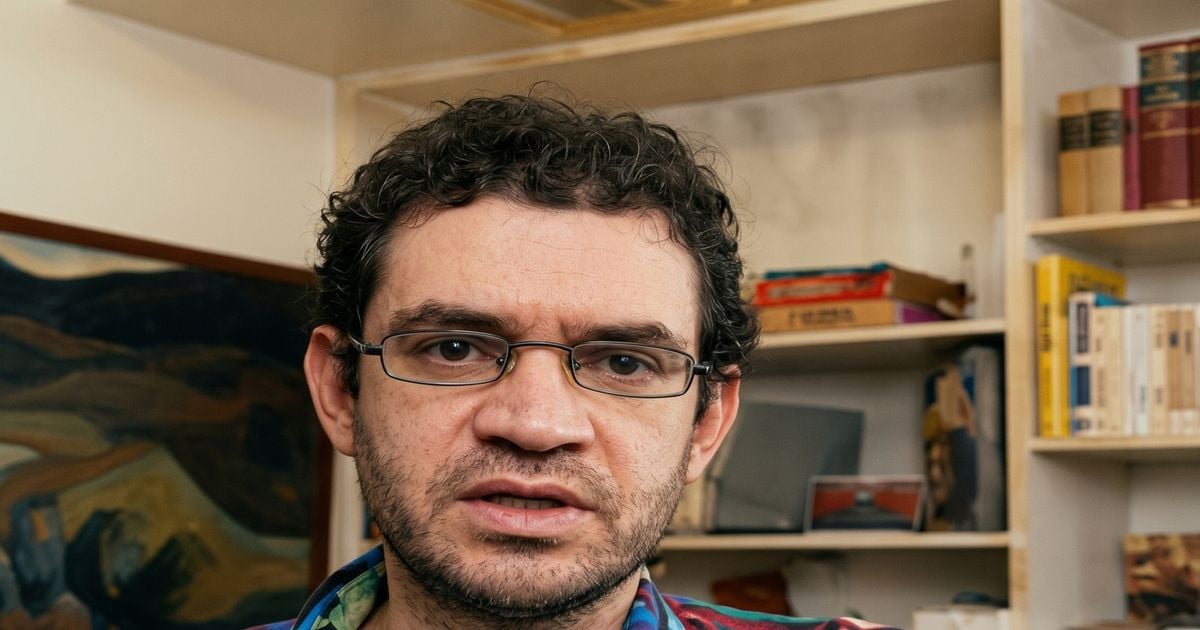 Foto: Reprodução via Purepeople
Renato Manfredini Júnior chose his stage name in tribute to philosopher Jean-Jacques Rousseau and painter Henri Rousseau. According to his mother, Maria do Carmo Manfredini, as a boy he would shut himself away to listen to classical music and read the 'Encyclopaedia Britannica' and the 'Os Pensadores' philosophy series. In the mid-1970s he was bedridden for two years with a viral illness. As founder and voice of Legião Urbana, he wrote classics such as 'Eduardo e Mônica', 'Que País é Este' and 'Pais e Filhos', and in 1989 he spoke publicly about being gay.
The singer died at around 1:15 a.m. on October 11, 1996, aged 36, at his apartment in Ipanema, Rio, with his father and a nurse nearby. His doctor attributed the death to complications of AIDS, with septicemia, bronchopneumonia and a urinary infection; he had been living with HIV for six years. In his last two months he isolated himself at home, weighed 45 kg and refused hospitalization. Fernanda, wife of Dado Villa-Lobos, told 'Folha de S.Paulo' that the guitarist found him on his final day unable to eat, get up or speak, and that his depression began after the band recorded its last album, 'A Tempestade' (1996).
At his request there was no wake or procession: he was cremated at Caju Cemetery on the October 12 holiday, with Marina Lima and Ana Beatriz Nogueira among those present. He left a son, then 7. Three decades later his work lives on: a 2025 survey by Brazilian royalties body Ecad counts 157 works and 327 recordings linked to Renato, and 'Tempo Perdido' is both his most played song in recent years and his most covered, with 83 versions on record.